Flow
Fluid Transitions: How to Move Seamlessly Between Poses

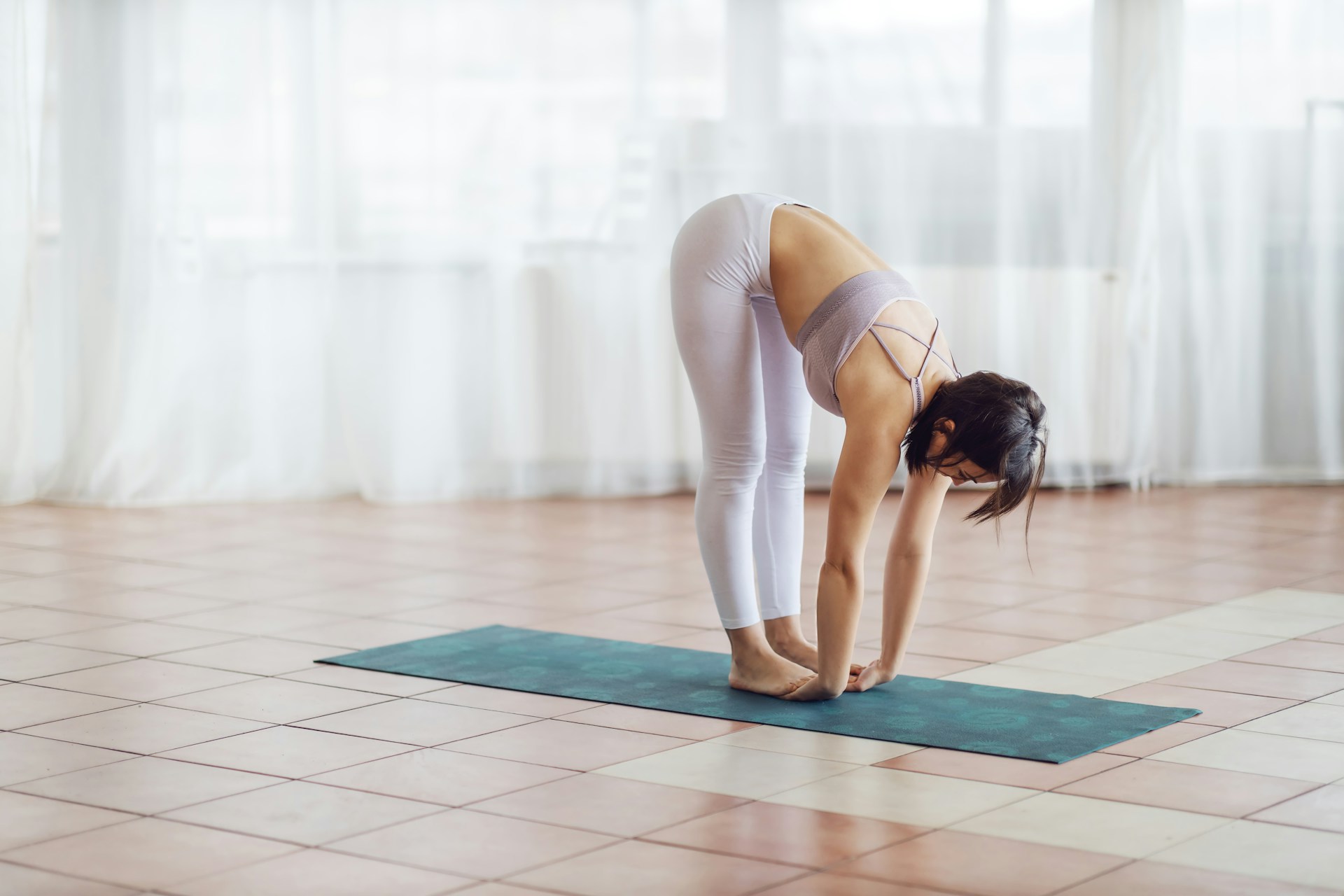
Fluid transitions are where yoga truly comes alive for me. Moving from one pose to another without hesitation or stiffness transforms a sequence into something that feels like a moving meditation. The postures themselves matter, but the way they connect is what gives a practice rhythm, grace, and depth. Seamless movement turns separate shapes into a continuous experience of breath, awareness, and strength.
Early in my practice, I treated each pose like a destination. I would arrive, adjust, hold, and then almost collapse into the next shape. Over time, I realized that the magic happens in the spaces between. Those in-between moments hold as much value as the poses themselves, and refining them has changed the way my body and mind move both on and off the mat.
Why Transitions Matter More Than You Think
Transitions reveal the integrity of a practice. Anyone can step into a pose with enough time and adjustment, but moving into it with control and steadiness is a different story. The way I transition shows me where I rush, where I resist, and where I lack stability.
Smooth transitions also build functional strength. Lowering slowly from Plank to Chaturanga demands engagement from shoulders, core, and legs. Stepping forward from Downward Dog into a lunge requires coordination and awareness. These movements challenge balance and control in ways static holds cannot.
Beyond the physical, transitions cultivate mindfulness. If I let my attention drift, my movements become jerky and disconnected. When I stay present, each shift feels intentional and grounded. That presence carries into the rest of my day, influencing how I move through conversations and responsibilities.
Breath as the Anchor of Movement
Breath guides every seamless transition I make. Without steady breathing, movements feel forced and mechanical. When my inhale initiates expansion and my exhale supports grounding, the body follows naturally.
In a simple Sun Salutation, I let my inhale lift my arms overhead and my exhale fold me forward. Each movement matches the length and texture of my breath. If I rush the breath, the movement becomes rushed as well. Slowing down and syncing each transition with a full inhale or exhale instantly creates fluidity.
Sometimes I experiment with extending a breath to deepen control. A slow, four-count exhale while stepping back into Plank builds strength and steadiness. That deliberate pacing prevents abrupt shifts and keeps the practice feeling cohesive rather than fragmented.
Core Engagement as the Silent Support
Fluidity does not mean floppiness. Stable transitions depend on subtle core engagement that supports every shift. I think of the core not as a rigid brace, but as a responsive center that adjusts to movement.
During transitions like stepping from Warrior II into Extended Side Angle, my abdominal muscles gently activate to stabilize my pelvis. When moving from Chair Pose to standing, that engagement keeps my spine long instead of collapsing forward. These small actions create a sense of buoyancy and control.
Neglecting core support often leads to noisy landings and shaky steps. Paying attention to the center of my body makes movements feel lighter and more precise. The effort becomes less visible but more effective, allowing grace to emerge naturally.
Slowing Down to Build Control
Speed can mask imbalance. Moving quickly between poses sometimes feels impressive, but it often hides weak links. Slowing transitions exposes those gaps and gives me the opportunity to refine them.
I practice stepping forward from Downward Dog in slow motion, resisting the urge to swing my leg. That deliberate movement strengthens my hip flexors and deepens awareness of my alignment. Even something as simple as lowering my knees to the mat with control can become a powerful exercise in steadiness.
Slowness teaches patience. Instead of chasing the next pose, I inhabit the pathway leading to it. That shift in mindset transforms transitions from a means to an end into a valuable part of the journey.
Weight Distribution and Grounded Hands and Feet
Fluid transitions rely on how weight shifts across hands and feet. Uneven distribution often leads to wobbling or abrupt adjustments. I focus on pressing evenly through the four corners of my feet in standing poses and spreading my fingers wide in weight-bearing shapes.
In transitions like moving from Crescent Lunge to Warrior III, the shift of weight onto the front foot determines stability. If I rush the transfer, I lose balance. When I mindfully root through the standing leg before lifting the back foot, the movement becomes smooth and controlled.
The same applies to arm balances or simple tabletop movements. Pressing firmly into the mat creates a stable base, allowing the rest of the body to move with confidence. Grounded contact points make the entire sequence feel connected.
Linking Gaze to Direction
Where I place my gaze influences how seamlessly I move. A wandering gaze can throw off balance and coordination. Directing my eyes toward where I am going prepares my body for the shift.
When stepping forward between my hands, I look ahead rather than down at my feet. That small adjustment lifts my posture and guides the movement forward. In balancing transitions, fixing my gaze on a steady point reduces wobbling and builds confidence.
The gaze also carries an internal dimension. Looking softly instead of staring harshly helps maintain calmness. That softness keeps transitions from feeling tense and mechanical.
Building Strength Through Repetition
Grace does not happen by accident. Repeating certain transitions builds muscle memory and confidence. I often isolate specific movements and practice them outside of a full sequence.
For example, I might work on stepping from Low Lunge to Half Split several times, focusing on hip alignment and control. Practicing that shift repeatedly smooths out rough edges. Over time, the movement feels intuitive rather than forced.
Repetition also reveals progress. What once felt clumsy begins to flow naturally. Witnessing that evolution keeps me motivated and reminds me that fluidity is a skill developed through patience and dedication.
Minimizing Unnecessary Adjustments
Fidgeting disrupts flow. Constantly adjusting clothing, hair, or hand placement can break the rhythm of a sequence. I aim to set up each pose with intention so that transitions require fewer corrections.
Placing my feet deliberately in standing poses reduces the need for mid-transition shuffling. Setting my hands firmly before stepping back prevents scrambling for balance. Those small acts of preparation create cleaner, more continuous movement.
This principle extends beyond the mat. Intentional preparation in daily tasks often reduces wasted effort and distraction. Yoga becomes a rehearsal for efficient and mindful action in everyday life.
Coordinating Upper and Lower Body
Fluid transitions require harmony between upper and lower body. If one part moves before the other is ready, the shift feels disjointed. I think of transitions as a wave traveling through my body rather than isolated segments moving independently.
In Vinyasa flows, pressing through my palms and engaging my legs simultaneously creates a unified lift from Chaturanga to Upward Facing Dog. Allowing my shoulders to lag behind or my legs to relax too soon disrupts the continuity. Synchronizing these actions results in a smoother arc of movement.
That coordination improves with awareness. Paying attention to how different body parts contribute to a transition builds a more integrated practice. Each movement becomes a full-body experience rather than a series of disconnected efforts.
Embracing Imperfection Without Breaking Flow
Not every transition will be flawless. I sometimes stumble or lose balance, especially when trying new sequences. Instead of freezing or reacting with frustration, I focus on recovering gracefully.
If my foot lands short when stepping forward, I calmly adjust and continue breathing. That steady response keeps the flow intact. Overreacting tends to create more tension and disrupt momentum.
Accepting imperfection keeps transitions fluid even when they are not perfect. The practice becomes less about performing and more about responding with awareness and composure.
Taking Fluidity Beyond the Mat
Seamless transitions influence how I navigate daily life. Moving from one task to another without mental clutter mirrors the grace I cultivate in yoga. Pausing for a breath before responding in conversation feels similar to grounding before stepping into the next pose.
Fluidity becomes a mindset. Instead of clinging to what just happened or rushing toward what is next, I focus on the shift itself. That awareness fosters adaptability and resilience.
Yoga teaches that movement and stillness are interconnected. The way I transition reflects how I handle change, stress, and opportunity. Practicing smooth shifts on the mat prepares me to meet life’s transitions with steadiness and ease.
Fluid transitions are not about looking impressive. They are about moving with intention, awareness, and respect for the body. Each seamless shift deepens the practice and strengthens the connection between breath and movement. By refining the spaces between poses, I have discovered a richer, more integrated yoga experience that continues to evolve every time I step onto the mat.



The Long-Term Mindset of Strong Practitioners

Habit Stacking for Daily Yoga

How to Reignite a Stalled Practice

Mastering Patience in Skill-Based Poses

The 1% Better Method on the Mat

The 7-Day Reset Challenge
How to Reignite a Stalled Practice

The 25-Minute Sweat Flow That Feels Like a Reset Button

The Silent Strength Flow (Minimal Transitions, Maximum Burn)
The 1% Better Method on the Mat
The 7-Day Reset Challenge
